Understanding the Female Orgasm
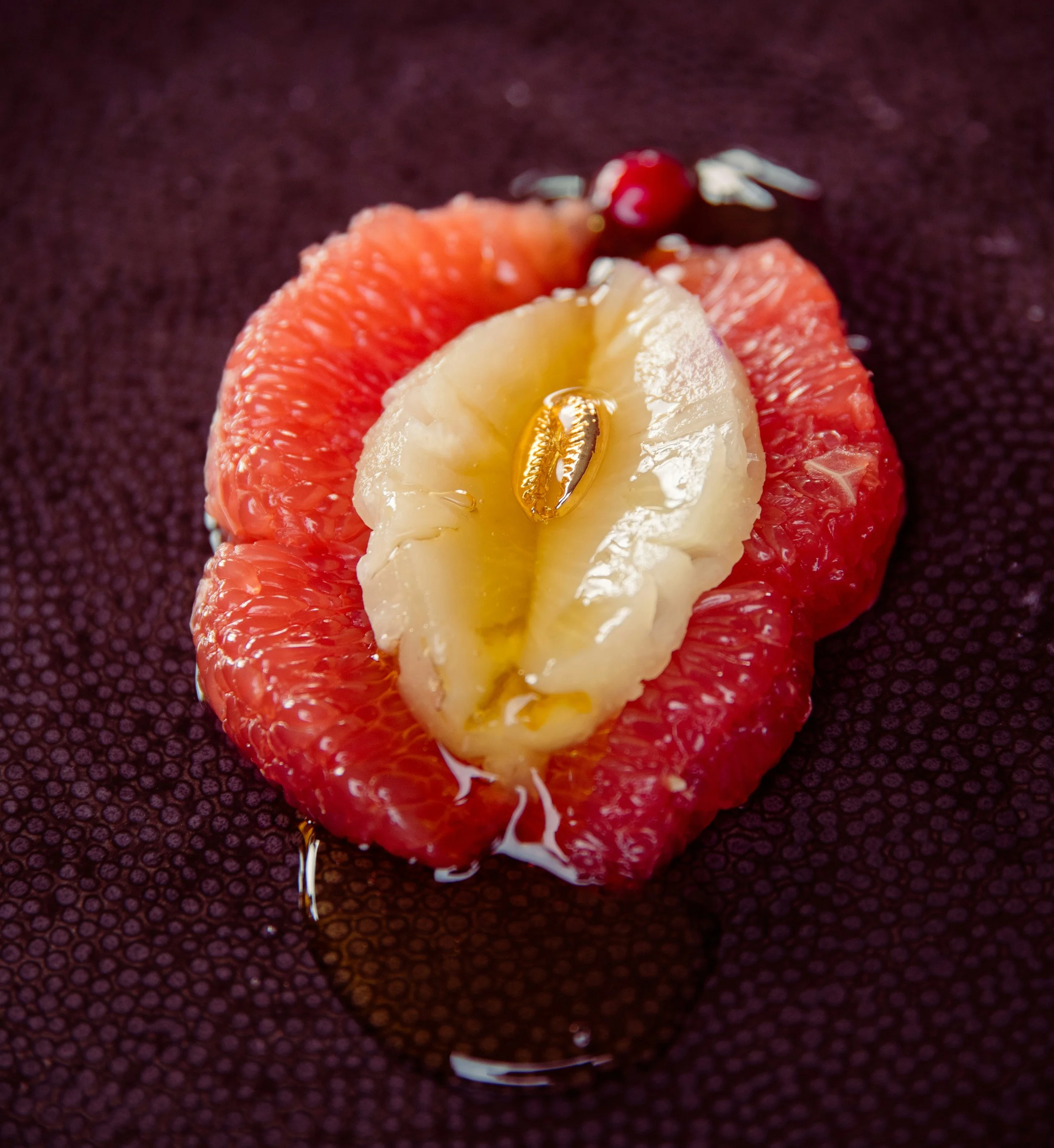
Understanding the Female Orgasm: A Guide to Enhanced Pleasure and Connection
Today, I want to delve into a topic that might be considered quite taboo. Allow me to introduce you to a world of fireworks, the cherry on top, the addiction itself, La Petite Mort (French for ‘brief loss of consciousness’)—yes, I’m talking about the Female Orgasm.
Promoting this blog post on social media requires caution due to the risk of censorship and bans, which are common when discussing such topics. That's where you come in—I need your help spreading the love for this blog. Share it with two friends who might appreciate a good read, whether on the toilet, in bed, or on the train—this might just be the perfect companion.
The Big “O”
When I first started exploring, I believed there was only one type of orgasmic experience: the eye-rolling, muscle-contracting, addictive, short-lived ecstasy triggered by stimulating the pleasure center, the clitoris. According to scientific definitions, I wasn't too far off. Meston et al. (2004) describe orgasms as a 'peak sensation of intense pleasure,' an 'altered state of consciousness,' and 'involuntary, rhythmic contractions of muscles.'
However, over time, I discovered that orgasms could be far more varied and enduring. They can last minutes or even up to an hour if you learn to ride the wave. Sheri Winston (2010) writes about reaching a state where you remain in a continuous orgasmic state, rising and falling, cresting into pleasure repeatedly. Just to confirm, it is possible and delicious!
Beyond the clitoral orgasm, there's a whole universe of orgasmic experiences. Women can experience G-spot orgasms, cervical orgasms, nipple orgasms, blended orgasms, and even full-body orgasms. These experiences can transcend the physical, taking you off this earth and into space. Additionally, women can ejaculate, adding another dimension to their sexual experiences.
Orgasms also play a crucial role in emotional and psychological well-being, reducing stress, improving mood, and enhancing overall happiness. Ever had a bad day, had an orgasm, and suddenly felt so much more mellow about the day you had? Give it a try!
Still, it makes me sad that here I am, having fabulous climaxes, while some women and especially men believe that all women should orgasm from penetration alone. Not even talking about the unnecessary stress and dissatisfaction it can cause. Understanding that orgasms vary widely among individuals can help foster a healthier, more accepting view of sexual pleasure.
Encourage yourself to explore and understand your own body and what brings you pleasure. Each journey is unique, and there's no one-size-fits-all approach to experiencing the 'Big O.' Highly recommend the book Women's Anatomy of Arousal for further reading.
Different Types of Orgasms
As I hinted earlier, there are many different types of orgasms. Clitoral, vaginal, G-spot, cervical, blended, nipple, anal, energy, food, exercise-induced—the list is endless if you’re open to exploring. While I could write extensively about each type, I'll instead encourage you to research further online and ask questions if you have any. However, do take some of that information with a grain of salt, as not all sources are equally reliable. Nonetheless, many resources provide a good overview of the possibilities and anatomical insights.
It’s important to note that opinions on these types of orgasms can vary greatly among specialists. For instance, some argue that a vaginal orgasm is essentially an indirect clitoral orgasm due to the extensive structure of the clitoris. As Alice (2024) states, orgasms are complex and influenced by various factors. Trying to categorize them too rigidly might lead to misinformation and confusion. Alice further suggests that focusing on the sensations and mental state during orgasm can be more beneficial than trying to label the experience.
Supporting this perspective, a study by Pfaus (2016) found that women described clitoral orgasms as localized, intense, and physically satisfying, while vaginal orgasms were seen as stronger, longer-lasting, 'deeper', with a 'whole body' sensation, throbbing feelings, and more psychological satisfaction. This suggests that it might be more about the nature of the sensation rather than strictly defining types of orgasms. I'll leave this as an open question for you to explore and consider.
Expanding Your Orgasmic Pathways for a Full-Body Bliss
Now we get to the fun part, but let’s be honest for a second. The type of orgasm I experience most often is clitoral or blended. Sometimes, this extends to a full-body orgasm, but I’m just the type of woman who enjoys all the pleasures. What do I mean by this?
A blended orgasm happens when a person experiences simultaneous stimulation of multiple erogenous zones—think combining clitoral and vaginal (often G-spot) stimulation, or clitoral, vaginal, and nipples. It can be all the combinations, as long as it is pleasurable. This merging of sensations creates an intensely pleasurable experience that feels like bliss for me. It’s often more powerful and overwhelming than orgasms resulting from a single type of stimulation. And it makes sense. During a blended orgasm, the body experiences a complex and heightened wave of pleasure, as sensations from different areas harmonize and amplify each other.
But let’s say you want to experience a specific type of orgasm, or you want to learn how to orgasm without electronic assistance. Expanding your orgasmic pathways can be the way to go. I love how Sheri Winston (2010) explains it in her book Women’s Anatomy of Arousal. Some of my teachers have also discussed this in trainings or retreats. So let’s dive in!
Suppose you’re a woman who can only have orgasms through clitoral stimulation but desires a nipple/breast orgasm. Start by playing with yourself in your usual way, stimulating your clitoris. You want to reach a medium to high level of arousal, but don’t go into climax yet—and if you do, enjoy it, girl!
Every now and then, take away the clitoral stimulation and stimulate your nipples instead (it's great to stimulate both clitoris and nipples together as well with times). Stay attuned to how pleasurable things feel; maybe you want to hype yourself up by using breath, sound, or pelvic floor movements. Don’t forget to use your imagination—the brain is a powerful tool as well!
As soon as you notice the pleasure decreasing, return to stimulating your clitoris and go back to what you know best. Essentially, to learn to have a nipple/breast orgasm, you still stimulate your clitoris as much as needed. Over time, with consistent pleasure practice, new pathways of pleasure will be carved, meaning you’ll need less and less clitoral stimulation.
In Conclusion: Embrace Your Journey to Enhanced Pleasure
In conclusion, understanding the female orgasm is not only about recognizing the variety and depth of orgasmic experiences but also about embracing the journey to discover what brings you the most pleasure. We've explored the different types of orgasms, from the clitoral and G-spot to the more complex blended and full-body experiences. We've also touched on the importance of expanding your orgasmic pathways to achieve a more holistic and satisfying sexual experience.
Encourage yourself to explore your own body and communicate openly with your partners about what feels good for you. Remember, each journey is unique, and there is no one-size-fits-all approach to experiencing the 'Big O.' By being curious and open-minded, you can enhance your pleasure and connection.
If you're interested in delving deeper into this journey of self-discovery and pleasure, I invite you to contact me for a session or to learn more about my services. As a Holistic Intimacy Coach, I can guide you in exploring your sexual potential and help you achieve a more fulfilling and connected intimate life.
Thank you for joining me on this exploration of the female orgasm. Please share this blog post with friends who might find it enlightening and empowering. Together, we can break taboos and spread the knowledge of pleasure and connection.
References:
Alice. (2024, April 5). What's the difference between a vaginal and clitoral orgasm? Go Ask Alice. Columbia Health.
Meston, C. M., Levin, R. J., Sipski, M. L., Hull, E. M., & Heiman, J. R. (2004). Women's orgasm. Annual review of sex research, 15, 173–257.
Pfaus, J. G., Quintana, G. R., Mac Cionnaith, C., & Parada, M. (2016). The whole versus the sum of some of the parts: toward resolving the apparent controversy of clitoral versus vaginal orgasms. Socioaffective neuroscience & psychology, 6, 32578.
Winston, Sheri. (2010). Women's Anatomy of Arousal: Secret Maps to Buried Pleasure. Mango Garden Press.
